Electric vs Gas Leaf Blowers: Which Should You Buy? (October 2026)
For electric leaf blower vs gas, choose electric for frequent, shorter cleanups and gas for long sessions with heavy leaf buildup. The EGO LB6151 suits homeowners who want a lighter handheld tool; the Husqvarna 150BT suits those who need higher airflow and can manage a backpack blower.
On this page (10 sections)
- Electric vs Gas Leaf Blowers: Which Should You Buy?
- Electric leaf blower vs gas: which has more power?
- How do runtime and refueling change your cleanup?
- Which is easier to carry and control?
- Does electric mean cordless, and when does a cord make sense?
- Which blower is quieter around nearby homes?
- How should you set up and use either blower?
- What care and storage does each type need?
- Which buyers should choose or skip each blower?
- What's the final decision on electric leaf blower vs gas?
Electric vs Gas Leaf Blowers: Which Should You Buy?
For electric leaf blower vs gas, choose electric for frequent, shorter cleanups and gas for long sessions with heavy leaf buildup. Start with the work you actually do, rather than buying the strongest machine you can carry.
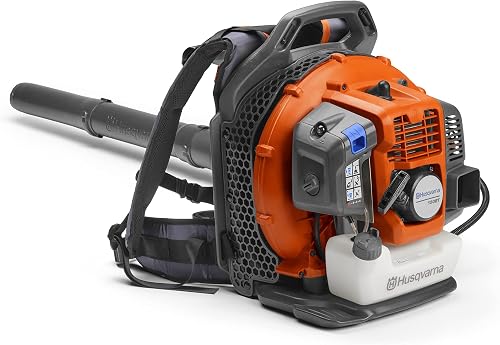
The EGO LB6151 is the better fit for homeowners who want a cordless handheld tool for paths, patios and routine lawn cleanup. The Husqvarna 150BT Gas Blower suits heavier seasonal work when higher airflow and a backpack harness justify fuel preparation and engine care.
These are 2 specific designs, so their differences don't represent every electric or gas blower.

Electric leaf blower vs gas: which has more power?
The Husqvarna has higher airflow and maximum air speed in this comparison. It delivers 765 CFM and up to 270 MPH, compared with the EGO's 615 CFM and up to 170 MPH.
CFM measures air volume, which helps you judge a blower's ability to move a broad mass of leaves. MPH measures air speed, which matters when loosening debris from cracks or breaking up a stubborn patch.
For a lawn covered in deep leaves, prioritize air volume and a setup you can carry for the whole job. For scattered clippings along a walkway, controlled airflow matters more than maximum output.
Our guide to CFM vs MPH on a leaf blower explains how to read both figures. The yard-size leaf blower guide helps connect those numbers to your property.
Electric leaf blower vs gas for wet leaves
Choose the Husqvarna for frequent, heavy wet-leaf work; choose the EGO when tough patches are occasional parts of a mostly lighter cleanup. EGO says its turbo mode can move wet leaves and caked-on grass.
Damp leaves stick together and grip the ground, so work from the edge of a pile instead of aiming into its center. Peel away shallow layers and gather them nearby before moving on.
If leaves form a soaked mat, loosen them with a rake first or wait for drier conditions. More throttle isn't always the fastest answer, especially when you're pushing a pile that has become too large.
Our guide to using a leaf blower on wet leaves covers when blowing makes sense and when another approach saves effort.
How do runtime and refueling change your cleanup?
Battery charging suits work you can split into sessions; gas refueling suits longer jobs away from a charger. Estimate how much time you spend actively blowing, excluding time spent bagging leaves or moving furniture.
The EGO includes a 2.5Ah battery and charger. EGO states up to 75 minutes per charge and a 50-minute recharge with the included charger.
That maximum isn't a budget for nonstop turbo use. Higher settings draw more energy, so a job full of dense piles calls for a different charging plan than a light sweep across paving.
The EGO works with all EGO 56V ARC Lithium batteries. An existing compatible battery can help you keep working, but account for other yard tools that need the same batteries that day.
The Husqvarna uses a 51 cc, 2-cycle engine. Refueling lets you resume after the engine has cooled as directed, but fuel preparation and safe storage become part of every cleanup routine.
Don't assume a tank will cover your entire property. Plan a sensible stopping point and follow the manual's shutdown and refueling steps.
Read how long leaf blower batteries last for more on runtime planning. Our cordless leaf blower buying guide also explains how battery ownership affects the choice.
Count interruptions before choosing a power source
Choose around your longest regular session, rather than a rare worst-case cleanup. A homeowner who clears leaves every few days has different needs from someone who tackles a season's buildup at once.
Charging during a bagging break may fit your workflow well. If you need uninterrupted clearing across a distant part of the property, a charged spare or a gas machine becomes more useful.
Also count trips between storage and the work area. A blower that feels convenient to grab is more likely to get used before leaves become a deep, damp pile.
Which is easier to carry and control?
The EGO is easier to lift, while the Husqvarna shifts the machine's load onto a backpack harness. The EGO weighs 7.5 lb; the Husqvarna weighs 22 lb.
A handheld tool keeps its weight on your hand and arm throughout the job. Keep your wrist straight and your elbow near your body instead of holding the blower far out in front.
The Husqvarna has a padded harness, hip belt and weight-leveling load management system. Adjust the harness before working so the machine sits securely without forcing you to lean or twist.
A backpack can suit long, open passes, but you must still lift it into place and move around beds, steps and stored equipment. Skip this format if putting it on or walking with it is difficult.
How much speed control do you need?
Variable speed matters whenever you move between paving, lawns and planting beds. Too much airflow can scatter mulch or send a neat pile back across an area you've already cleared.
The EGO's dial adjusts output from 200 to 480 CFM, with turbo available above that range. Its lock-on button lets you maintain a selected speed, and a tapered nozzle is included.
The Husqvarna has a variable throttle with cruise control. Its air purge system helps prepare the fuel system for starting, but you should still follow the full starting sequence in its manual.
Start low around delicate areas and increase output only when leaves stop moving. Release lock-on or cruise control before setting the machine down.
Does electric mean cordless, and when does a cord make sense?
Electric includes both battery and corded blowers, although the EGO here runs on a battery. A corded model is worth considering for a compact area with easy access to an outdoor outlet.
Corded power avoids battery charging, but an extension cord limits your reach and adds something to manage around trees, furniture and corners. Use the outdoor cord type and gauge specified by the tool manufacturer.
Battery power makes more sense when you move between separate parts of a property or cross routes where a cord would get in the way. Gas also avoids a cord, with fuel and engine care as the tradeoff.
Don't compare these 2 products as if they cover every electric option. Our guide to the best electric leaf blowers helps broaden the shortlist.
Which blower is quieter around nearby homes?
Don't rank these models using isolated decibel figures. Sound measurements need comparable distances, settings and methods to support a useful comparison.
A battery blower avoids engine exhaust at the tool and doesn't have a gas engine idling between passes. Its fan and airflow still create noise, especially at high output.
Check local operating hours and equipment restrictions before choosing gas. For either type, work at reasonable times and use only the airflow the task needs.
Keep the nozzle pointed away from nearby people and open windows. Follow the manual's hearing protection guidance even if the blower sounds tolerable from a distance.
Our post on whether battery leaf blowers are quieter explains which sound comparisons help with a buying decision.
How should you set up and use either blower?
Plan where the leaves will go before you start. Choose a collection point that keeps debris away from roads, drains, neighboring property and areas you've already cleared.
Walk the route and remove branches, stones, wire and other loose objects. Wear eye protection, sturdy shoes and hearing protection as directed, and keep people and pets out of the work area.
For the EGO, inspect the tool and fit the nozzle with the battery removed. Install a charged battery once everything is secure, keeping your fingers away from the trigger.
For the Husqvarna, assemble the tubes and adjust the harness according to its manual. Prepare the specified fuel mixture and start it outdoors, away from doors, windows and air intakes.
Blow with the wind where possible, using low, sweeping passes to move leaves along the ground. Form several small piles instead of chasing one heavy mound across the whole lawn.
Our guide to how to use a leaf blower explains the working pattern in more detail.
Common mistakes that waste time
Avoid full power by default and piles that are too large to move. Both habits create extra passes and can scatter debris into places that are harder to clear.
Don't use a blower to lift dust clouds from bare soil or gravel. Switch tools when the job becomes dust removal rather than leaf collection.
Never run a gas blower inside a garage, even with the door open. Battery power removes engine exhaust, but neither blower should be used to spread debris through an enclosed space.
Wet leaves also don't make a blower suitable for use in rain or standing water. Follow the tool's moisture limits and stop if weather makes footing unsafe.
What care and storage does each type need?
Electric removes fuel mixing and engine service from your routine, while gas adds fuel-system care and engine checks. Both still need clean air passages, sound tubes and dry, suitable storage.
Remove the EGO's battery before cleaning or inspection. Keep vents clear with the method EGO specifies, and inspect the battery and charger for damage before charging.
Store and charge the battery within the temperature limits in its manual. Don't leave it baking in direct sun or put away a damp tool without drying it as directed.
EGO backs the blower with a 5-year tool warranty and the battery with a 3-year warranty. Keep the receipt and follow the care instructions rather than relying on warranty coverage to replace maintenance.
For the Husqvarna, follow the manual's schedule for the air filter, spark plug and fuel system. Use the specified fuel and oil, and don't guess at the mixture.
Store fuel only in an approved container and let the engine cool before putting the blower away. For seasonal storage, follow Husqvarna's fuel instructions instead of leaving old fuel in the machine by habit.
Which buyers should choose or skip each blower?
Choose the EGO for frequent home cleanup; choose the Husqvarna for sustained clearing of heavy buildup. Think about the work you'll do most often, then rule out the design that creates the bigger obstacle.
Choose the EGO for shorter, varied jobs
The EGO fits homeowners who clear a patio, driveway and lawn in manageable sessions. It also makes sense if compatible batteries already serve other tools in your shed.
Skip it if long stretches of heavy clearing are routine and you don't want charging breaks or spare batteries. Also reconsider handheld power if holding a tool for an entire session strains your arm.
For more options in this format, see the best cordless leaf blowers.
Choose the Husqvarna for demanding seasonal work
The Husqvarna fits homeowners who regularly face deep leaf cover and want a backpack for sustained work. It makes sense when you're willing to prepare fuel and maintain an engine.
Skip it for brief patio sweeps or if lifting a backpack machine is difficult. It also adds avoidable work if you lack suitable fuel storage or don't want an engine-care routine.
What's the final decision on electric leaf blower vs gas?
For electric leaf blower vs gas, buy for your normal cleanup and make a separate plan for unusually heavy days. An occasional rake pass or charging break can be a better compromise than carrying a larger machine every week.
Pick the EGO if you can finish in shorter sessions, value simple startup and prefer a handheld tool. Pick the Husqvarna if deep buildup is routine, you can comfortably wear the backpack and fuel care fits your habits.
Before ordering, settle 3 points: where you'll collect leaves, how long you'll work between breaks and which carrying style you can manage. Use the leaf blower size guide to check the workload, or explore the complete cordless leaf blower guide if battery power fits best.
Sources
Frequently asked questions
Is an electric or gas leaf blower better?
Electric is the better fit for frequent home cleanup when you can recharge between jobs. Gas suits longer sessions with heavy leaf buildup, especially when charging breaks would interrupt your work.
Choose by debris load, carrying comfort and care needs, rather than assuming every gas blower outperforms every electric model.
Which moves more leaves, electric or gas?
The Husqvarna has higher airflow in this comparison, which favors moving larger volumes of leaves. That advantage matters most across broad areas with deep buildup.
For scattered leaves on a patio or driveway, easy setup and careful airflow control can matter more than having the highest output.
How long does the EGO LB6151 battery last?
EGO states up to 75 minutes with the included 2.5Ah battery, with a 50-minute recharge using the included charger. Higher output uses energy faster, so don't budget a turbo-heavy job around the maximum runtime.
Plan charging breaks or use a compatible spare battery for longer sessions.
Is a backpack leaf blower easier to use?
A backpack can make sustained work more manageable by carrying the machine on a harness instead of in one hand. You still need to lift it into place, adjust the straps and handle its weight while walking.
Check the fit and your ability to put it on before choosing.
Are electric leaf blowers quieter than gas?
Battery blowers avoid engine noise, but their fans and fast-moving air still make substantial sound. These 2 models can't be ranked reliably without comparable sound measurements.
Use hearing protection as directed, respect local operating hours and read our guide to whether battery leaf blowers are quieter for useful comparison factors.


