Can You Use a Leaf Blower on Wet Leaves?
Yes, you can use a leaf blower on wet leaves, especially loose, damp leaves on pavement. Rake soaked mats or let them dry, and use your blower only in conditions its manual allows.
On this page (8 sections)
- Can you use a leaf blower on wet leaves?
- Should you wait for wet leaves to dry?
- How should you set up and blow damp leaves?
- What features help with wet leaf cleanup?
- Is it safe to use a leaf blower when the ground is wet?
- Which mistakes make wet-leaf cleanup harder?
- When should you rake, collect, and clean up?
- Should you use a leaf blower on wet leaves or choose another tool?
Yes, you can use a leaf blower on wet leaves, but loose, damp leaves move more easily than soaked mats. Use the blower only in conditions its manual allows, then work in shallow layers toward a collection spot.
The surface matters as much as the leaves. A thin layer on a driveway is a reasonable blower job; waterlogged leaves pressed into grass often need a rake first.
Can you use a leaf blower on wet leaves?
Yes, particularly when leaves are damp, loose, and resting on a firm surface. Water adds weight and makes leaves cling together, so deep piles take more work than a thin layer.
Try a short pass along the edge of the patch. If leaves slide forward together, continue; if only the top leaves flutter while the bottom stays stuck, loosen that layer with a rake.
On grass, keep the nozzle above the turf and direct air across it. Pushing the nozzle into the lawn won't free a stuck mat and can disturb soil.
Should you wait for wet leaves to dry?
Wait when leaves are dripping, packed down, or stuck to soft ground. You don't need every leaf to become crisp, but a drying period can turn a stubborn mat into loose material.
For an urgent walkway cleanup, clear a narrow route with a broom or rake if blowing barely moves the leaves. Avoid chasing a saturated pile around with repeated full-power passes.
Postpone the job if you can't keep firm footing. The rain stopping doesn't mean puddles, slippery paving, or wet electrical connections are safe.
How should you set up and blow damp leaves?
Plan the collection point before starting, then move small amounts toward it. Choose a spot that keeps leaves away from streets, drains, doorways, and neighboring property.
- Remove branches, litter, and loose objects that could become airborne.
- Check the blower and fit its tube or nozzle as the manual directs.
- Start at the far edge of the area, with any steady breeze helping your route.
- Begin at a moderate setting and aim low across the leaves.
- Sweep in short arcs, building narrow rows rather than one huge pile.
- Collect each row before adding more leaves.
Keep the nozzle far enough from the surface to avoid blasting gravel or mulch. Change your angle before raising the power; air aimed straight down can scatter leaves around your feet.
Work from the edge of a pile rather than driving into its center. As the pile becomes harder to move, collect it or rake it onto a tarp.
For a fuller route plan, see how to use a leaf blower. The guide to CFM and MPH on a leaf blower explains how air volume and speed affect that work.
What features help with wet leaf cleanup?
Choose variable speed, useful airflow, and a power source that fits your route. Maximum output helps move heavier material, while speed control keeps leaves from scattering near beds and collection points.
CFM measures air volume; MPH measures air speed. Compare both, but don't choose by the largest MPH number alone: a narrow, fast stream and a broader flow do different jobs.
There isn't one CFM cutoff that makes every wet-leaf job easy. Read how much CFM you need in a leaf blower alongside your leaf depth, surface, and cleanup area.
Think about carrying time, too. A blower that suits a short driveway job may become tiring across a whole yard, especially if you also carry collection bags.
Cordless power suits routes around trees and away from outlets. Corded power avoids recharge breaks, but the extension cord must reach safely without crossing puddles or snagging around obstacles.
Use how to choose a leaf blower for your yard if this will also be your main tool for dry leaves and routine cleanup.
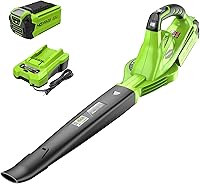
Can you use the EGO LB6151 on wet leaves?
The EGO LB6151 suits mixed cleanup with occasional stubborn patches. Its variable-speed dial and lock-on button let you hold a steady setting, with turbo available when damp leaves need more force.
It provides up to 615 CFM and 170 MPH and includes a tapered nozzle. The kit also includes a 56V 2.5Ah battery and charger.
Choose it for paths, driveways, and lawn edges where you need to change airflow as you move. It's also a logical choice if you already use EGO 56V ARC Lithium batteries, which this blower accepts.
Skip it if your main job is collecting leaves directly into a bag. For a whole-yard mat of soaked leaves, plan on raking first rather than expecting turbo to do all the work.
EGO claims up to 75 minutes with the included battery. That is not a full-power work allowance, so use stronger settings for stuck patches and lower airflow where leaves already move.
Is the Greenworks 80V 700 CFM right for larger leaf areas?
The Greenworks suits larger areas where moving leaf volume is the priority. Its 700 CFM maximum airflow is higher than the EGO's, and it combines variable speed, cruise control, and turbo with air speeds up to 170 MPH.
Choose this cordless model for broad stretches of leaves where a cord would complicate your route. Cruise control helps maintain a chosen setting during longer passes, and a 2.5Ah battery and charger are included.
Skip it if your main task is a small doorstep patch or direct bag collection. A larger airflow figure doesn't remove the need to rake compacted leaves or collect piles before they become too heavy.
Plan your work around battery demand, especially when damp debris calls for frequent turbo use. Our guide to how long leaf blower batteries last explains why the setting and workload matter.
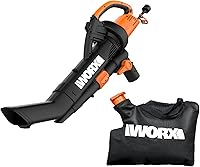
Would the WORX Trivac WG509 help with leaf collection?
The WORX Trivac WG509 suits reachable areas where collection matters as much as blowing. Its corded design combines blower, vacuum, and mulcher modes, with a switch for changing between blowing and vacuuming.
It provides up to 350 CFM and 210 MPH, variable speed, and a 42L collection bag. WORX states an 18:1 mulch ratio, but don't plan disposal capacity around that figure for wet material.
Choose it for patios, walkways, and routine seasonal collection within safe cord reach. Skip it for remote yard areas, routes with many cord obstacles, or a job centered on vacuuming saturated leaves.
Check the manual before collecting damp debris. Wet leaves can clog a vacuum path, and a filling bag adds carrying weight; stop and empty it before handling becomes awkward.
See how to choose a leaf blower vacuum mulcher for more on collection and disposal tradeoffs.
Is it safe to use a leaf blower when the ground is wet?
Wet-leaf capability is separate from permission to use a tool around water. Follow the manual's limits for rain, moisture, electrical protection, and operating conditions.
For a corded blower, use an outdoor-rated extension cord of the gauge and length the manual requires. Use GFCI protection as directed, keep connections dry, and never handle plugs with wet hands.
Check the housing, tube, cord, plug, and battery as applicable before starting. Stop using a damaged tool, and follow its instructions if water enters it.
Wear eye protection, hearing protection, and shoes with good grip. Keep people and pets clear, and point the airflow away from windows, vehicles, and loose stones.
Which mistakes make wet-leaf cleanup harder?
Too much power and oversized piles waste effort. Start with controlled airflow, then increase it only where the leaves need it.
- Blowing against the wind: leaves return across the cleared area.
- Building one deep mound: the bottom compresses and becomes harder to shift.
- Blasting garden beds: mulch and soil can move before wet leaves lift.
- Chasing stuck leaves: rake the stubborn patch and resume blowing the loose material.
- Vacuuming mixed debris: remove stones and sticks, and follow the tool's debris limits.
Don't keep the trigger running while planning your next move. Pause, check where the leaves are going, and adjust your route before continuing.
When should you rake, collect, and clean up?
Rake compacted leaves and collect manageable piles promptly. Around delicate plants or loose mulch, a rake also gives you more control than strong airflow.
Move leaves into a suitable compost area or yard-waste container, following local collection rules. Separate litter, and avoid leaving thick wet piles on grass where they block light and hold moisture.
After use, disconnect the power source before clearing debris or cleaning the tool. Keep intake vents clear, follow the manual's cleaning directions, and let equipment dry before storage rather than sealing it away damp.
Should you use a leaf blower on wet leaves or choose another tool?
Use a leaf blower on wet leaves when a short pass moves them steadily. If they stay pressed into grass, rake first; if conditions are unsafe or the leaves are saturated, wait.
Choose the EGO for mixed cleanup with controlled nozzle work, or the Greenworks for larger areas where air volume matters. Choose the WORX when cord reach is practical and collecting suitable leaves into a bag is part of the job.
Before starting, decide where each small pile will go. Follow how to use a leaf blower to turn that plan into an orderly clearing route.
Frequently asked questions
Can a leaf blower move wet leaves?
Yes, a leaf blower can move loose, damp leaves, especially on pavement. Soaked leaves packed into grass often need drying time or a rake to break them apart.
Work from the edge in shallow layers instead of trying to push a deep, waterlogged pile across the yard.
Is it safe to use an electric leaf blower on wet leaves?
Use an electric leaf blower only in conditions its manual allows. Damp leaves do not mean the tool is suitable for rain, puddles, or wet electrical connections.
Keep connections dry, inspect the tool before use, and follow the manual's requirements for protective equipment and electrical protection.
Should I use a leaf blower after rain?
Use a blower after rain only when its operating instructions allow the conditions and you have firm footing. Loose leaves on a drying driveway may move readily, while a soaked lawn may need more time.
Wait or rake if the leaves barely shift during a short pass.
What kind of leaf blower is best for wet leaves?
Choose adjustable airflow and enough air volume for your leaf depth and yard size. Cordless models suit routes away from outlets, while corded tools suit reachable areas without recharge breaks.
For thick wet mats, plan to rake first rather than buying solely for a higher maximum airspeed.