How to Clean Gutters With a Leaf Blower
To clean gutters with a leaf blower, use a compatible gutter attachment from firm ground to blow dry, loose leaves out, away from downspout openings. Stop if debris stays packed, the extension becomes hard to control, or you can't see the work area.
On this page (7 sections)
- How do you clean gutters with a leaf blower?
- Is it safe to clean gutters from the ground?
- What kind of gutter debris will a blower clear?
- How do you choose a gutter attachment?
- What mistakes make blower gutter cleaning harder?
- How do you check drainage and care for the attachment?
- Should you clean gutters with a leaf blower?
To clean gutters with a leaf blower, use a compatible gutter attachment from firm ground to blow dry, loose leaves out, away from downspout openings. Then inspect the gutter and check drainage, because moving leaves doesn't prove the outlet is clear.
This method suits light seasonal buildup in reachable, open gutters. Wet sludge, thick leaf mats, blocked downspouts, and sections you can't see call for another approach.
How do you clean gutters with a leaf blower?
Work in short, controlled sections, clearing leaves beside the downspout opening before working along the gutter. Keep debris moving out over the edge instead of driving a long pile toward the drain.
Set up your leaf blower for gutter cleaning
Check fit, footing, and nozzle position before switching on the blower. A secure connection matters more than getting the job started quickly.
- Read the blower and attachment instructions, including any limits on tube length or operating speed.
- Choose dry, calm weather and firm, level ground beneath the gutter.
- Close nearby windows and move vehicles, fragile items, people, and pets out of the debris path.
- Wear eye protection, hearing protection, closed shoes, and clothing that covers exposed skin.
- With the blower off and its power source disconnected, assemble the tubes and secure each joint.
- Use only the length needed to place the nozzle correctly without stretching or leaning.
- Reconnect power, position the nozzle, and start at a low setting.
Raise the airflow only enough to move the leaves. Too much air can scatter grit widely and make the extension harder to steer.
After each short pass, pause to check where the debris went. If you can't see the gutter contents, use a suitable ground-level inspection tool or get help before continuing.
Is it safe to clean gutters from the ground?
Working from the ground avoids climbing for reachable sections, but falling grit, overhead wires, and an awkward extension still pose hazards. Keep a clear escape path and stop whenever control or visibility drops.
Stand to one side of the expected debris fall, keeping the nozzle in view. Don't use the gutter, fascia, or roof edge to support the tube.
Keep the blower and extension clear of overhead electrical lines. Leave sections near wires to a qualified professional rather than trying to work around them.
Don't climb a ladder or step onto furniture to gain extra reach with the assembled tool. A windy day, wet slope, or slippery deck is also a reason to postpone the job.
For grip, airflow control, and cleanup habits, see how to use a leaf blower the right way.
What kind of gutter debris will a blower clear?
A blower works best on dry leaves and loose, light debris that can lift out of the channel. It is a poor choice for mud, rooted growth, heavy sediment, or a solid plug in a downspout.
Try a short section first. If leaves lift out readily, continue; if the same clump stays put, stop and arrange direct removal.
Don't aim down the outlet to force a blockage through. That can move loose material deeper into a place you can't inspect or reach.
If rain has left the leaves damp, wait for a dry spell when practical. Read about using a leaf blower on wet leaves to judge when waiting will help.
How do you choose a gutter attachment?
Choose by exact blower fit, usable reach, and control, in that order. An attachment that reaches the gutter is useful only if you can hold and aim it from a stable position.
Check your blower's full model number before comparing kits. A shared brand, battery voltage, or similar-looking outlet doesn't prove compatibility.
Measure the gutter height and consider where you can stand. Tube length and advertised reach are different measurements, so don't compare them as equal promises of access.
Use the shortest permitted setup that reaches comfortably. More tube means more leverage at your hands and more room needed to turn around corners or work near shrubs.
Airflow requirements matter too, especially with adapters. Our CFM vs MPH guide explains the difference, but neither number overrides an attachment's fit requirements.
Who should choose the EGO Gutter Attachment?
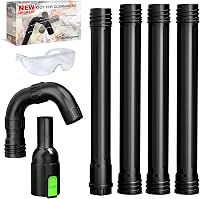
Choose the EGO Gutter Attachment if you own a supported EGO blower and want EGO's own attachment with an adjustable nozzle. Its screw connection tubes let you secure the sections before raising the tool.
It fits LB5300/LB5302, LB5750, LB5800, LB6150/LB6151, LB6500/LB6504, LB6700/LB6703, LB7650/LB7654, and LB8800/LB8803-2 models.
Skip it if your model isn't supported or your gutter requires an awkward overhead hold. The attachment weighs 3 pounds, which adds to the blower's weight and affects how long you can comfortably work.
Set the nozzle angle with the power disconnected. Check the joints again after a short first pass rather than waiting until a section begins to loosen.
Who should choose the Sealegend Gutter Kit for EGO?
Choose the Sealegend Gutter Kit for EGO if changing your hand position and airflow direction is a priority. Its rotating tail wand gives you another way to aim the tool without turning your whole body.
It supports the same EGO models named above and excludes the LB4800. Sealegend says its reinforced wands help reduce shaking, while its gear-locking tip helps hold the chosen angle.
Skip this kit if you use another blower brand or need an extension to compensate for poor footing. Adjustable parts help with positioning, but they don't make an out-of-reach gutter suitable for ground-level work.
Secure the screw-lock joints and set the tip before starting. Switch off before making angle changes or checking a connection.
Who should choose the Greenworks Gutter Kit?
Consider the Greenworks Gutter Kit if removable tube sections would help you match different gutter heights. Its universal adapter also makes it an option to investigate when you don't own a supported EGO blower.
Greenworks gives up to 11 ft of reach and connection compatibility up to 5 inches in diameter. Its compatibility descriptions differ: the title includes 40V, 60V, and 80V blowers at 450+ CFM, while the bullets specify 60V and 80V above 450 CFM.
Confirm your exact model with Greenworks before buying, particularly for a 40V blower or one at the airflow threshold. Skip it if you can't establish a secure fit; “universal” doesn't mean every outlet works.
For more comparisons, read whether leaf blower gutter attachments work and our guide to leaf blower gutter attachments.
What mistakes make blower gutter cleaning harder?
The biggest mistakes are using too much power, pushing leaves toward the outlet, and reaching beyond comfortable control. A slower pass with a well-aimed nozzle is easier to manage than chasing scattered debris.
Don't treat gutter guards as open channels. If guards block the nozzle or trap debris beneath them, follow their care instructions rather than forcing the attachment under an edge.
Avoid dragging the nozzle across joints, brackets, or roof edges. Reposition from the ground with the blower off if the tube catches.
Don't keep adding extension sections beyond the kit's instructions. If the approved setup won't reach, choose another cleaning method.
For a corded blower, keep the cable out of your walking path and away from water. Follow the blower's outdoor power instructions.
How do you check drainage and care for the attachment?
Finish by checking the outlet and drainage, then clean and dry the attachment before storage. A clear-looking top layer can hide debris at the gutter floor or downspout entrance.
Inspect from a safe position. If practical, introduce a gentle flow of water and watch for backup, overflow, and discharge at the downspout's accessible exit.
Stop if water pools or fails to drain normally. More blowing won't diagnose a buried blockage, poor gutter slope, or a damaged connection.
Disconnect power before dismantling the kit. Brush off dirt, wipe the tubes as the instructions allow, and check threads and connectors for cracks or wear.
Let the parts dry before storing them where they won't be crushed or bent. Gather fallen leaves too, so rain doesn't carry them into nearby drains.
Should you clean gutters with a leaf blower?
Choose this method for dry, loose buildup in gutters you can reach and inspect from firm ground. Skip it when debris is packed, drainage is blocked, the gutter is damaged, or the extension is hard to control.
Pick EGO's attachment for a supported blower and a straightforward adjustable-nozzle setup. Choose Sealegend when its rotating tail wand suits your working position, or consider Greenworks when adjustable length helps and compatibility is confirmed.
Knowing how to clean gutters with a leaf blower includes knowing when to stop. Before buying, use our guide to how gutter attachments work to decide whether your gutter layout suits an extension.
Frequently asked questions
Can you clean gutters with a leaf blower from the ground?
Yes, a compatible gutter attachment can direct air into reachable gutters from firm ground. You still need a clear work area, eye protection, and control of the extended tube.
Stop if the nozzle is out of view, falling debris reaches you, or you must lean to reach the gutter.
Should gutters be dry before using a leaf blower?
Dry, loose leaves are the best fit for this method because they separate and move more easily than wet mats. Damp leaves may clear after drying, but mud, rooted growth, and packed downspout blockages need direct removal.
Don't keep increasing power when the same clump stays in place.
How do you know if a gutter attachment fits your blower?
Match the attachment's supported models and connector requirements to your blower's exact model number. Brand and battery voltage alone don't establish fit.
Where a kit gives an airflow requirement, check that too. Assemble it with the blower off, and don't run it if the connection feels loose or needs force.
What should you do after blowing out gutters?
Inspect the gutter and downspout opening from a safe position, then check drainage with a gentle flow of water if you can do so safely. Watch for backup, overflow, or slow discharge.
Gather fallen leaves so they don't wash back toward drains, and clean the attachment before storing it.