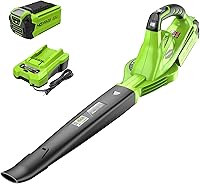
Can You Dry a Car With a Leaf Blower?
Yes, you can use a leaf blower to dry a car after washing and rinsing it. Use clean, controlled airflow to move water off panels and out of crevices, keep the nozzle clear of paint, and finish leftover droplets with a clean drying towel.
On this page (8 sections)
- How can you use a leaf blower to dry a car safely?
- Can a leaf blower scratch or damage car paint?
- Which parts of a car dry best with a blower?
- Is a leaf blower better than a towel for drying a car?
- What kind of leaf blower works for car drying?
- How much battery do you need to dry a car?
- What mistakes should you avoid, and how should you store the blower?
- Should you use a leaf blower to dry your car?
Yes, you can use a leaf blower to dry a car after washing and rinsing it. Clean airflow moves water off panels and out of crevices, reducing how much you need to touch the paint with a towel.
It works best as part of a drying routine, especially around mirrors and trim that drip after the main panels look dry. Keep a clean drying towel ready for water the blower leaves behind.
How can you use a leaf blower to dry a car safely?
Use controlled airflow from a clean blower, working from the roof downward. Keep the nozzle clear of the finish and guide water toward the nearest panel edge.
Set up before using a leaf blower to dry a car
Choose a shaded spot on clean pavement where possible. Shade gives you more time before rinse water dries into spots, while clean surroundings reduce the chance of blowing grit onto wet paint.
Wash and rinse the car thoroughly, including the wheels. Don't use the blower to remove road dirt from paint before washing.
With the tool switched off and its battery removed, inspect the nozzle and intake for leaves, sand, or other debris. Clean them as the manual directs, and secure the nozzle before fitting the battery.
Place your drying towel somewhere clean and dry, within reach. Keep the charger away from the wash area, and wear eye and hearing protection as directed by the blower's manual.
Move water off the car in a clear order
- Start with low airflow. Hold the nozzle well back and watch how the water moves before adjusting power or position.
- Clear the upper panels. Work across the roof, glass, hood, and trunk, directing water toward an edge.
- Work down the sides. Use sweeping passes so runoff doesn't keep wetting finished panels.
- Clear trapped water. Make brief passes around mirrors, handles, grille openings, and seams.
- Finish the wheels and remaining drops. Keep wheel spray away from the body, then blot leftover water with your towel.
Don't chase one stubborn droplet by bringing the nozzle closer and closer. Change the airflow angle or use the towel.
Can a leaf blower scratch or damage car paint?
Yes, grit and nozzle contact can damage paint. Reducing towel contact helps only if the blower and the area around the car are clean.
Keep the intake away from gravel, mulch, and dusty ground. Never sweep the driveway beside a wet car, since airborne dirt can settle on the finish.
Watch the whole tool as you reach across panels, not just the nozzle tip. Avoid leaning over the hood if you can't keep the blower housing clear of it.
Use a towel around loose badges, peeling paint, cracked trim, or aging seals. A close blast can move a loose part or drive water into a gap instead of out of it.
There isn't one safe nozzle distance for every blower. Begin well back, use the lowest useful setting, and stop if trim moves or water is being driven beneath an edge.
Which parts of a car dry best with a blower?
A blower is most useful for trapped water around mirrors, handles, grilles, and seams. These spots can release drips after you've already dried the nearby paint.
Approach openings at an angle that lets water escape. Blasting straight into a gap can push water deeper, so change your position before increasing power.
On broad panels, water that beads tends to move more readily than a thin film that clings to the surface. Waxed or coated paint can make air drying easier, but you can still use a towel when water won't clear.
Finish wheel faces and lug recesses after the body. If dirt remains on a wheel, clean it before directing airflow through that area.
Is a leaf blower better than a towel for drying a car?
A blower is better for reaching trapped water, while a towel is better for picking up the final film and scattered droplets. For most home wash routines, the two tools work well together.
A blower can reduce wiping, but it adds another tool to carry, charge, and store. If you wash only occasionally and don't mind drying by hand, a clean microfiber drying towel may meet your needs.
Use light pressure and expose a clean towel section as you work. Set aside any towel that falls on the ground, and keep wheel towels separate from paint towels.
Don't keep blowing while droplets bake onto hot panels. Move into shade if possible and finish with the towel before spots form.
If drying is your main reason for buying, compare the options in our guide to leaf blowers for drying cars.
What kind of leaf blower works for car drying?
Choose adjustable airflow, manageable size, and a suitable battery setup before chasing maximum power. The right blower is one you can hold steadily while directing water off the car.
CFM describes air volume, while MPH describes air speed. Both help explain water movement, but neither replaces useful speed controls or a nozzle you can position comfortably.
See CFM vs MPH and what each measure means if you're comparing tools with very different airflow figures.
Check what comes in the box before buying. A bare tool makes sense when you already have a compatible battery and charger, while a kit is simpler when starting from scratch.
Bullseye: for focused drying with spare battery support
The Bullseye suits buyers who want a compact tool for mirrors, seams, and other small areas. It has adjustable speed, a round nozzle, and 2 rechargeable 20V 3000mAh batteries with an AC wall charger.
EMSON describes it for car drying and detailing tasks. The second pack lets you swap batteries during a job, though no specific runtime is provided.
Skip it if your priority is moving water across broad panels with a high-volume yard blower. Its focused format makes more sense for detail work than as a choice based on motor wattage alone.
DeWalt: for buyers already using compatible batteries
The DeWalt suits existing 20V MAX users who want controlled spot drying. Its 3-speed switch, variable-speed trigger, and trigger lock give you several ways to manage output.
It delivers up to 100 CFM and includes 3 nozzle attachments. This is a bare tool, so budget for a compatible battery and charger if you don't already have them.
Skip it if you're starting a battery system mainly to dry large panels. Its modest air volume makes it a more natural choice for small areas and crevices.
Read the DeWalt DCE100B review if you're deciding whether its compact format fits your other cleanup jobs.
EGO: for buyers who also need a yard blower
The EGO LB5302 suits buyers who want one tool for car drying and yard cleanup. Its dial controls 250 to 400 CFM, with turbo reaching 530 CFM.
The kit includes a 56V 2.5Ah battery and charger. Start at the lowest setting around the car, since extra output is useful only when you can direct it comfortably.
Skip it if you mainly want a small blower for mirrors and handles. Its longer body needs more room around panels than the compact options.
For other shared yard and home uses, read the cordless leaf blower buying guide.
How much battery do you need to dry a car?
You need enough charge for your chosen setting and drying routine, rather than a fixed battery capacity. Vehicle size, airflow, and time spent clearing crevices all affect the job.
EGO claims up to 75 minutes with the included battery, but don't assume that figure applies at maximum output. Long runtime claims aren't a reason to keep blowing after a towel would finish the job faster.
Charge before washing and use short passes instead of running the blower while walking around the car. For more detail, see how long leaf blower batteries last.
What mistakes should you avoid, and how should you store the blower?
Avoid dirty airflow, excessive force, and wet storage. These mistakes can undo a careful wash or damage the tool.
Don't cover the intake with clothing or use maximum power by default. Keep the tool itself out of spray, and never assume a battery blower can be rinsed with a hose.
After use, switch it off and remove the battery before inspection or cleaning. Follow the manual for care, and store the nozzle where it won't collect grit.
Keep batteries and chargers dry, and follow the manufacturer's instructions if either gets wet. The guide to how to use a leaf blower the right way covers general handling.
Should you use a leaf blower to dry your car?
Use a leaf blower to dry your car if trapped drips or repeated towel passes slow down your wash routine. Start with a clean adjustable blower you already own before buying another tool.
Choose Bullseye for focused drying with a spare battery, DeWalt for compact work within an existing battery setup, or EGO for shared car and yard duties. Keep a towel for the final drops and fragile areas.
If you also need help choosing for your property, use our leaf blower buying guide to match the tool to your regular workload.
Frequently asked questions
Can a leaf blower scratch car paint?
Yes, a leaf blower can scratch paint if its nozzle touches the car or its airflow carries grit across the finish. Wash and rinse first, check the blower for debris, and keep its intake away from dusty ground.
Stop around loose trim or damaged paint and use a clean towel there.
Is a cordless leaf blower safe for drying a car?
A cordless leaf blower can be suitable for car drying when you keep the tool dry and control its airflow. Battery power doesn't make it waterproof or keep debris out of its intake.
Follow the manual, keep the nozzle clear of paint, and avoid close blasts at seals or loose trim.
Should I use a leaf blower or a towel to dry a car?
Use a blower for trapped water and a clean drying towel for the final droplets. Airflow helps around mirrors, handles, grilles, and wheel openings, while a towel handles water that clings to panels.
If you only want one tool for occasional washes, a suitable drying towel is the simpler choice.
Can I use a gas leaf blower to dry my car?
A gas leaf blower can move rinse water, but a cordless electric blower is a simpler choice around a freshly washed car. Gas tools add exhaust, hot parts, and fuel handling.
If you use one, work outdoors, direct exhaust away from the vehicle, and keep hot surfaces clear of the finish.